

Business Operation · 2025
In this section23 topics
- Corporate Information4 items
- Dividend Policy2 items
- Major Shareholders2 items
- Business Strategies Overview5 items
- Material Changes & Developments2 items
- Use of Proceeds from Securities Offerings1 item
- Commitments Made in the Registration Statement1 item
- Group Operating-Structure Policy1 item
- Companies Where the Company Holds ≥10%1 item
- Shareholders with Potential Conflict of Interest1 item
- Relationships Among Major Shareholders1 item
- Shareholders' Agreement1 item
- Shareholding Diagram (Group Structure)2 items
- Income Structure4 items
- Product / Service Characteristics3 items
- Research & Development6 items
- Assets Used in the Business4 items
- Marketing Policy & Competition4 items
- Procurement of Products & Services7 items
- Nature of Business — Overview1 item
- Projects Under Construction1 item
- Debentures & Bills of Exchange1 item
- Convertible Securities1 item
Corporate Information
Company Name
WICE LOGISTICS PUBLIC COMPANY LIMITED
Telephone
0-2681-6181
Website
www.wice.co.th
info@wice.co.th
Dividend Policy
Dividend Policy
The Company has a policy of paying dividends to shareholders at a rate of not less than 50% of net profit, less corporate income tax and legal reserve for the Company's separate financial statements. However, such a dividend payment is subject to change depending on the investment plan, liquidity, necessity, and other appropriateness in the future. Once the Board of Directors has approved the annual dividend payment, it must be presented for approval at the shareholders' meeting except for the payment of interim dividends. The Board of Directors has the power to approve the payment of dividends and then report to the shareholders' meeting at the next meeting.
Historical Dividend Payments
| This Year | Last Year | 2 Years Ago | 3 Years Ago | 4 Years Ago | Metric | Description | Remark |
|---|---|---|---|---|---|---|---|
| 0.19 | 0.47 | 0.87 | 0.75 | 0.15 | Net profit per share (Baht : Share) | Net profit per share (baht : share) | 1.Net profit refers to the profit for the year attributable to the shareholders of the parent company. |
| 0.14 | 0.24 | 0.44 | 0.23 | 0.14 | Dividend per share (Baht : Share) | Dividend per share (baht : share) | 2.The Annual General Meeting of Shareholders for the year 2025, held on 22 April 2025, approved the payment of dividends at the rate of Baht 0.14 per share. |
| 0 | 0 | 0 | 0 | 0 | Dividend stock ratio (Number of original shares: dividend shares) | Ratio of stock dividend payment (existing share : stock dividend) | |
| 0 | 0 | 0 | 0 | 0 | Dividend share value per share (Baht : Share) | Value of stock dividend per share (baht : share) | |
| 0 | 0 | 0 | 0 | 0 | Total dividend payment value (Baht : Share) | Total dividend payment (baht : share) | |
| 72.34 | 51.18 | 50.21 | 30.81 | 94.33 | Dividend payout ratio to net profit (%) | Dividend payout ratio compared to net profit (%) |
Business Strategies Overview
Chairman's Message
Message from the Chairman and Group Chief Executive Officer
Dear Shareholders,
The global economic situation in the past period has been a significant test for the management of all sectors. Data from the Office of the National Economic and Social Development Council (NESDC) indicates that the Thai economy expanded by 2.4 percent in 2025 and is projected to grow further in 2026. This reflects the potential of the business sector to continuously adapt and expand amidst the volatile global economic context. This aligns with the view of the Department of Business Development, Ministry of Commerce, which assesses that the logistics industry continues to show growth potential and can attract foreign investment into Thailand as a transportation and supply chain hub for the Southeast Asian region.
However, the Thai economy still faces uncertainties in several areas, including international conflicts affecting international trade, global economic volatility, and domestic political factors that may impact the timing of public sector investment. These factors are all directly linked to the logistics and supply chain industry, which is a crucial mechanism connecting economic activities across all sectors.
The Company believes that such economic data is not merely an analysis of future trends but also serves as a "map" that helps define the direction of business operations to move forward prudently, while enhancing growth potential. This is not only to maintain good performance but also to build a stable organizational foundation for long-term sustainable growth.
WICE Logistics Public Company Limited, as a regional logistics business leader, continues to develop its business in line with global economic and supply chain changes, which has enabled the Company to maintain quality business growth. For the year 2026, the Company will continue to focus on developing strategies to continuously strengthen the organization, emphasizing increased operational efficiency through the application of digital technology in all processes, to elevate comprehensive logistics services that can fully meet customer needs.
Concurrently, the Company has forged strategic collaborations with business partners and affiliated companies to connect transportation modes and expand its route network to cover the regional level. This aims to target potential markets and support customers with production bases in multiple countries to manage their production bases and supply chains more efficiently, alongside business growth. The Company places significant importance on operating according to ESG principles (Environmental, Social, and Governance), striving to develop its business towards becoming a Green Logistics provider by elevating operational standards to comply with international standards such as ISO 14064-1:2018 and achieving a Silver rating from EcoVadis. This supports the reduction of environmental impact and carbon neutrality goals, through various projects such as route management to reduce the number of transport trips, the use of electric vehicles, and the development of logistics projects in collaboration with customers to enhance transportation efficiency.
Furthermore, the Company continuously conducts social activities, such as the "Go Green with WICE" project, providing educational support to youth in surrounding communities, and operating its business with principles of transparency, fairness, and responsibility towards all stakeholders. This has resulted in the Company being selected as one of 265 listed companies to receive the SET ESG Ratings for sustainable stocks in 2025, in "AA level" from the Stock Exchange of Thailand for the third consecutive year, reflecting the Company's commitment to sustainable growth, coupled with creating value for society, the environment, and long-term corporate governance.
Finally, on behalf of the Company, I would like to express my gratitude to the Board of Directors, the management team, and all employees for their collective efforts in developing potential and driving the organization forward steadily. I also extend my thanks to all shareholders and stakeholders for their continuous trust and support. The Company pledges to conduct its business with transparency, good governance, and a commitment to strong growth as a regional logistics leader, while continuing to create sustainable value for shareholders and society.
Vision
To be a sustainable supply chain partner connecting businesses globally.
Objectives
-
To enhance the company's potential and competitiveness in providing logistics services and supply chain management at regional and international levels.
-
To develop and apply innovation and digital technology in operations to enhance efficiency, reduce costs, and improve service quality.
-
To promote business operations in line with Green Logistics and ESG principles, reduce environmental impact, and support sustainable development.
-
To expand business networks and market opportunities both domestically and internationally, including developing collaborations with regional business partners.
-
To achieve stable and sustainable growth, while creating added value and appropriate returns for shareholders and all stakeholders.
Goals
The Company has set a 3-year target and strategic plan to elevate the organization to become a logistics leader in the Asian region that is prepared for future changes (Future-Proof Logistics Leader). This is achieved by focusing on building trust and competitive advantage through business operations aligned with ESG principles, the development of digital technology and innovation, and the strengthening of specialized industry expertise, all to support the organization's stable and sustainable long-term growth.
Business Strategies
Operational Strategies To elevate the organization to become a Future-Proof Logistics Leader in Asia, focusing on building trust through ESG-compliant business operations, developing digital innovation, and enhancing specialized industry expertise to foster stable and sustainable growth.
Under the aforementioned strategic framework, the company has established Strategic Initiatives as follows:
-
Green Logistics
Focus on developing environmentally friendly logistics operations by prioritizing the reduction of carbon emissions from transportation activities, enhancing energy efficiency, and adopting technologies that support sustainable business practices to elevate the company as a leader in green logistics. -
Industry Infrastructure Development
Develop logistics infrastructure to support industrial growth and international trade, especially by supporting Thailand's role as a regional logistics hub, including developing networks and service capabilities to accommodate the growth of key economic zones such as the EEC. -
Regional and Global Expansion
Expand business into international markets, focusing on expanding the customer base and business opportunities in ASEAN, the Middle East, and other potential markets to increase organizational growth channels and strengthen the regional logistics network.
Furthermore, the company also emphasizes strategic enablers by focusing on developing capabilities in digital technology, Artificial Intelligence (AI), and organizational development to enhance operational efficiency and elevate service quality, such as:
-
Developing customer service systems with AI and Chatbot.
-
Utilizing AI for analyzing and planning transportation routes to enhance efficiency and reduce costs.
-
Developing digital platforms for customers, such as online transport booking systems, cargo tracking, and ESG data display systems.
-
Utilizing data and AI in workforce planning and human resource management.
-
Developing personnel and organizational capabilities in leadership, upskilling, and corporate governance.
This approach will enhance the company's long-term competitiveness, support sustainable growth, and create value for all stakeholders.
Material Changes & Developments
Introduction
The Company has undergone significant changes and developments during the past 3 years, as follows:
Material Changes & Developments
| Year | Description |
|---|---|
| 2,025 |
|
| 2,024 |
|
| 2,023 |
|
Use of Proceeds from Securities Offerings
Is There Money Raised from a Securities Offering Still to Report On?
No
Commitments Made in the Registration Statement
Are There Commitments or Conditions from an Offering or Listing?
No
Group Operating-Structure Policy
Description
WICE Logistics Public Company Limited operates an integrated international transportation and logistics business (` Innovative Logistics Service and Solution Provider) providing both import and export services by sea and air, customs clearance services, domestic transportation, cross-border transportation (Cross Border Service), and warehousing services as primary offerings. Additionally, it has affiliated companies located in several leading countries to continuously and promptly meet customer demands.
Companies Where the Company Holds ≥10%
Companies (≥10% Holding)
| Company Name | Address | Province | Zip Code | Telephone | Fax | Business Type | Security Type | Shares | Paid-up Shares |
|---|---|---|---|---|---|---|---|---|---|
| Euro-Asia Total Logistics Public Company Limited | 88/8, 4th Floor, Nonsi Road, Chong Nonsi Sub-district, Yan Nawa District | Bangkok | 10120 | 0-2123-1727 | Operates as a holding company (Holding Company) with a core business of providing cross-border freight transportation services (Cross-Border Transportation Carrier) between Thailand and Southeast Asian countries, Malaysia, and China, utilizing road and rail border connections. | Common shares | 620,000,000 | 620,000,000 | |
| WICE Supply Chain Solutions Company Limited | 88/8 Nonsi Road, Chong Nonsi Subdistrict, Yannawa District | Bangkok | 10120 | 026816181 | Provide warehousing services | Common shares | 80,000,000 | 80,000 | |
| WICE Logistics (Singapore) Pte. Ltd | 1 Tai Seng Ave, #04-05, Tai Seng Exchange, Tower A, Singapore | Foreign country | 53646 | (65) 6542 4911 | Provide maritime transport services | Common shares | 2,076,600 | 2,076,600 | |
| WICE Logistics (Hong Kong) Limited | Unit3, 21/F, International Enterprise Centre 1 , No. 11 Chai Wan Kok Street, Tsuen WAN, N.T., Hong Kong | Foreign country | +852-3188 2233 | +852-2755 5400 | Provide air and sea transportation services | Common shares | 1,000,000 | 100,000 | |
| WICE Logistics Lao Sole Co Ltd. | ThaLueng Village, Pakse district, Champasak Province, Lao PDR | Foreign country | - | Provide land transportation services | Common shares | 10,000 | 10,000 |
Income Structure
Introduction
In 2025, the Group generated a total service revenue of 4,656 million Baht. The revenue structure, categorized by main business types, reflects the operation of integrated logistics services and the diversification of revenue sources across multiple service groups.
Most of the revenue comes from Cross Border Service which accounts for the highest proportion at 35.76% of total revenue, reflecting the Group's strength in the regional transportation market and the growth of international trade among neighboring countries.
Following this is the international Sea Freight, which accounts for 24.34% of total revenue and remains one of the core businesses generating significant income for the Group.
Revenue from this business is directly related to the volume of international trade and global freight rates, which fluctuate according to global economic conditions, supply and demand for cargo space, and geopolitical factors. Consequently, revenue from this business may vary at different times. Nevertheless, the Group continues to focus on cost management and flexible service strategy adjustments to maintain competitiveness and generate continuous revenue amidst changing market conditions.
Supply Chain Solution accounts for 21.8% of total revenue, representing a business that generates recurring income and is less volatile than the transportation business, playing a crucial role in strengthening the Group's long-term revenue stability.
In 2025, the Group has continuously focused on expanding its warehousing and supply chain services to accommodate increasing customer demand and support long-term business growth. By increasing warehouse space and developing more comprehensive service models, it helps enhance revenue generation opportunities and elevate the capability to provide end-to-end solutions.
The expansion of this business segment also helps strengthen the balance of the revenue structure by reducing reliance on volatile transportation business revenue and supporting the Group's long-term profitability.
Meanwhile, the Air Freight service business accounts for 18.07% of total revenue. This service emphasizes speed and high flexibility, suitable for urgent or high-value goods. Revenue from this service is related to international trade conditions and the demand for urgent cargo transportation, and may be affected by fluctuations in air freight rates, fuel costs, and airline capacity at different times. The Group continues to focus on developing service quality and managing its partner network to meet customer needs and maintain continuous competitiveness in the market.
Product / Service Income
| Category | Description | This Year | This Year % | Last Year | Last Year % | 2 Years Ago | 2 Years Ago % |
|---|---|---|---|---|---|---|---|
| Total revenue from operations | Total revenue from operations | 4,656,484 | 100 | 4,099,434 | 100 | 3,699,028 | 100 |
| Ocean Freight Forwarding | 1,133,447 | 24.34 | 1,347,999 | 32.88 | 1,092,207 | 29.53 | |
| Air Freight Forwarding Services | 841,233 | 18.07 | 751,785 | 18.34 | 850,250 | 22.99 | |
| Supply Chain Solutions | 1,016,452 | 21.83 | 781,043 | 19.05 | 556,059 | 15.03 | |
| Cross-border freight transport services | 1,665,352 | 35.76 | 1,218,607 | 29.73 | 1,200,512 | 32.45 | |
| Other | Other | 43,935 | 0.94 | 35,801 | 0.87 | 34,210 | 0.92 |
Export Income
| Category | Description | This Year | This Year % | Last Year | Last Year % | 2 Years Ago | 2 Years Ago % |
|---|---|---|---|---|---|---|---|
| Total revenue | Total revenue from operations | 4,656,484 | 100 | 4,099,434 | 100 | 3,699,028 | 100 |
| Domestic | Domestic | 3,064,115 | 65.8 | 2,560,872 | 62.47 | 2,321,058 | 62.75 |
| International | International | 1,592,370 | 34.2 | 1,538,563 | 37.53 | 1,377,970 | 37.25 |
| Singapore | Singapore | 929,710 | 58.39 | 891,643 | 57.95 | 716,523 | 52 |
| Hong Kong | Hong Kong | 662,660 | 41.61 | 646,920 | 42.05 | 661,447 | 48 |
| Other countries | Other countries | 0 | 0 | 0 | 0 | 0 | 0 |
Other Income
| Operating Other Income | Non-Operating Other Income | Share of Profit |
|---|---|---|
| 1710 · As of year: 0.0 · Description: Total other income · As of yesteryear: 0.0 · As of year before yesteryear: 0.0 · 1711 · As of year: 0.0 · Description: Other income from operations · As of yesteryear: 0.0 · As of year before yesteryear: 0.0 | 1712 · As of year: 0.0 · Description: Other income not from operations · As of yesteryear: 0.0 · As of year before yesteryear: 0.0 | 1713 · As of year: 0.0 · Description: Share of profit · As of yesteryear: 0.0 · As of year before yesteryear: 31476.0 |
Product / Service Characteristics
Introduction
The Company and its subsidiaries operate as international freight forwarders, covering both import and export services, providing services via sea and air freight, with a network spanning over 100 countries worldwide.
The Company operates as a Non-Vessel Operating Common Carrier (NVOCC), leveraging its expertise in logistics chain management, sourcing appropriate space from shipping lines and airlines, and coordinating with its network of overseas agents to ensure efficient, timely, and secure delivery of goods.
The Company's strength lies in its ability to design logistics solutions tailored to the specific needs of each client, taking into account critical factors such as transit time, cost, type and characteristics of goods, as well as the client's ease of management, which collectively enhances the overall efficiency of the transportation process.
Additionally, the Company also has an experienced and specialized team serving as consultants in logistics planning and management for clients, which is a crucial factor in differentiating itself from other service providers and strengthening long-term relationships with clients.
From a business structure perspective, the NVOCC model enables the Company to operate in an asset-light manner, reducing the burden of investment in large assets and increasing flexibility in selecting suitable transport providers for each situation, which are supporting factors for cost management and maintaining long-term profitability.
The Company and its subsidiaries operate as international freight forwarding service providers, and their services can be categorized as follows:
Business Type
3114
Business Groups
| Business Group | Description | |||||||||||||||||||||||||||||||||||||||||||||||||
|---|---|---|---|---|---|---|---|---|---|---|---|---|---|---|---|---|---|---|---|---|---|---|---|---|---|---|---|---|---|---|---|---|---|---|---|---|---|---|---|---|---|---|---|---|---|---|---|---|---|---|
| 1. International maritime freight forwarding | The Company operates as an international freight forwarder, primarily focusing on sea freight services. This is because sea freight can accommodate large volumes of goods and has a lower unit cost compared to air freight, making it suitable for goods that do not require urgent delivery. Furthermore, it aligns with the current structure of international trade, which involves the continuous movement of high-volume goods. The Company operates as a provider of vessel space and containers from leading shipping lines, leveraging its expertise in selecting appropriate service providers, negotiating freight rates, and planning shipping routes to meet the specific needs of each customer, considering transit time, cost, and cargo characteristics. Furthermore, the Company emphasizes building international partnership networks by participating in global logistics networks, which enhances its service capabilities to cover major ports in key trading regions worldwide. Currently, the Company specializes in shipping routes between Thailand and the United States, which has been its continuous primary market. Concurrently, services are being expanded to secondary markets such as China and the Philippines, which are markets with growth potential and continuously increasing international trade volumes. The majority of goods transported by the Company include electronics, automotive parts, steel structures, construction materials, and consumer goods such as canned food, which are product groups with high shipping volumes and consistent demand. Sea freight transportation primarily uses containers as the main unit for shipping, which enhances convenience, speed, and safety in moving goods. Standard container sizes include 20-foot and 40-foot containers, suitable for various types of goods. Additionally, specialized containers such as temperature-controlled containers and open-top containers are available to accommodate goods with specific requirements. Sea Freight Volume of the Company and its Subsidiaries, 2023 – 2025 Unit: TEU
Based on data from 2023–2025, the sea freight volume of the Company and its subsidiaries shows a continuous growth trend, reflecting the ability to expand the customer base and enhance market competitiveness. This is particularly evident in export goods, which remain the primary proportion of total shipping volume. Concurrently, import goods show an accelerated growth rate, indicating the Company's service development towards more comprehensive offerings. The Company's sea freight services can be divided into two main types: Full Container Load (FCL) and Less than Container Load (LCL). Each type has distinct service characteristics and target customer groups. 1. Full Container Load (FCL) Shipping This involves packing goods into a container, utilizing the entire space for a single customer. No space is shared with other customers, making it suitable for clients with large volumes of goods. Once packed, the container is sealed and will not be opened until it reaches its destination, which reduces the risk of damage and enhances transportation safety. In the service process, the Company provides comprehensive management, from selecting and contacting shipping lines, negotiating freight rates, booking vessel space, and procuring suitable containers for specific types of goods, to planning and designing optimal shipping routes. Furthermore, the Company handles cargo delivery, status tracking, customs documentation management, and coordination with overseas agents to ensure timely delivery to recipients. The primary customer group for this service type consists of importers and exporters with consistent shipping volumes. 2. Less than Container Load (LCL) Shipping This service is for customers whose cargo volume is insufficient to lease an entire container. Goods from multiple customers are consolidated into a single container to share space, which effectively reduces per-customer shipping costs. The Company acts as a consolidator for goods from multiple customers and manages the space within the container appropriately. This involves calculating and planning the arrangement of goods (Consolidation Plan) to maximize space utilization and minimize potential damage during transit. This process is carried out through facilities used for packing and unpacking goods from containers, known as Container Freight Stations (CFS). Both service models reflect the Company's ability to design logistics solutions that align with the needs of each customer group, whether they are large clients requiring high continuity and security, or smaller clients seeking cost-effectiveness and flexibility in service usage. These are crucial factors that continuously enable the Company to expand its customer base and enhance its competitiveness in the market. With these supporting factors, the Company can maintain its competitiveness in the international logistics business and continuously support the growth of international trade in the long term. | |||||||||||||||||||||||||||||||||||||||||||||||||
| 2. Air Freight Forwarding | The Company and its subsidiaries operate businesses providing international freight forwarding services, focusing on air freight, which is a highly potential mode of transport suitable for international shipments requiring speed within a limited timeframe and high flexibility in responding to changes in time and customer needs. However, air freight has higher costs than sea freight. Goods suitable for this type of transport are typically those with small volumes, high value, or requiring special care. The Company acts as a coordinator and manager of transportation, contacting and booking cargo space with airlines to align with customer-specified schedules and conditions, while prioritizing speed, punctuality, and efficient cost management. The Company can provide services covering major trade routes in several countries, particularly in the Asian region, such as Singapore, Hong Kong, and the People's Republic of China, with most goods being electronic components. In providing services, the Company prioritizes speed and expertise in handling specialized cargo, particularly electronic goods, which require precision and quality control during transportation. The Company can provide express door-to-door delivery services within 24 hours, for example, on routes from Singapore to Bangkok, which adds value to the service and meets the needs of customers in industries requiring production continuity. Furthermore, the Company offers supplementary services to meet specific customer needs, such as special urgent cargo transportation (Hand Carrier), which involves direct delivery by a dedicated staff member within a short timeframe, for example, on the Chiang Mai–Bangkok–Shanghai route. This also includes providing logistics management consulting services, collaborating with customers to enhance efficiency and reduce transportation costs, such as consolidating goods from multiple shippers (Combined Cargo) for simultaneous delivery, thereby improving overall cost efficiency and supply chain management. Air Freight Volume 2023–2025 Unit: Tons
| |||||||||||||||||||||||||||||||||||||||||||||||||
| 3. Supply Chain Solutions | 1. Customs Brokerage and Domestic Transport Services The Company and its subsidiaries have a policy to provide customs clearance services in conjunction with domestic transportation services, to support comprehensive logistics services and enhance the efficiency of customer supply chain management. Customs Brokerage Services International import and export of goods require customs clearance processes before transportation. The Company and its subsidiaries provide customs brokerage services, covering document preparation, customs procedures, and advice on tax benefits and related regulations, to facilitate international business operations for customers. Such services require personnel with expertise and a thorough understanding of customs laws, regulations, and requirements. The Company has 11 certified customs specialists at its office, approved by the Customs Department, as well as senior consultants with experience in customs procedures, to support accurate and efficient operations. Customs brokerage can be divided into two types: general standard operators and Authorized Economic Operator (AEO) standard operators. Currently, the Company is certified as an “AEO Standard Customs Broker” which is an internationally recognized standard. This certification reflects the operational potential in meeting safety and reliability standards. The Company must meet the criteria set by the Customs Department and undergo status reviews every 3 years. Furthermore, In 2025, the Company upgraded to an AEO standard customs broker in accordance with its operational plan. Benefits of being an AEO standard customs broker include exemption from cargo inspection, exemption from random sample checks, the use of a customs broker's guarantee instead of cash or carrier's guarantee, as well as convenience and speed in cargo release. These advantages enhance operational efficiency, reduce lead times, and build credibility for the Company and its subsidiaries in the eyes of customers and partners.
Customs Clearance Workload 2023-2025 Unit: Container
Domestic Transport Services The Company and its subsidiaries provide domestic freight transportation services to support international freight forwarding businesses and facilitate comprehensive goods movement for customers. This includes transporting goods from ports or airports to customer destinations, such as factories or warehouses, as well as collecting goods from customer premises for delivery to ports or airports. The Company provides domestic freight transportation services using a variety of vehicles suitable for different types of goods, such as prime mover-trailer trucks, dump trucks, 6-wheel trucks, and 4-wheel trucks. The focus is on procuring efficient vehicles that meet the specific requirements of each customer's task. Most customers utilizing domestic transportation services are also customers using the Company's international freight forwarding services, reflecting the provision of end-to-end solutions and enhancing convenience in logistics management for customers. Currently, the Company has domestic freight transportation service units in key areas, namely Laem Chabang Port, and a service branch at Suvarnabhumi Airport, to accommodate workload and enhance service efficiency. The Company has the following number and types of trucks for freight transportation services: Number of Trucks 2023–2025 Unit: Vehicle
Domestic Freight Transportation Volume 2023 – 2025 Unit: Container
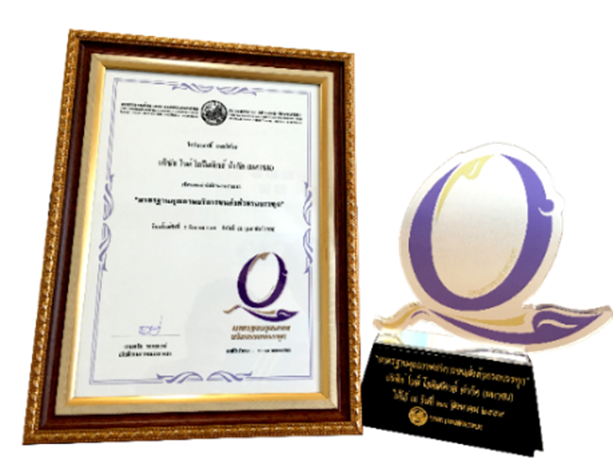
Safety Standards for Truck Transportation Services The Company and its subsidiaries prioritize safety standards in freight transportation services, alongside maintaining punctuality. It is recognized that selecting vehicles with appropriate performance and recruiting qualified personnel are crucial factors contributing to efficient operations and achieving objectives. The Company focuses on providing transportation services that can deliver goods safely, on time, and without causing damage to the property of customers and the Company. All transport vehicles of the Company and its subsidiaries comply with legal standards and must pass a readiness inspection before each use. Additionally, drivers' readiness is checked before commencing duties to ensure safety throughout the transportation process. Furthermore, the Company has received Q-Mark certification for truck service quality from the Department of Land Transport, Ministry of Transport, which reflects its operations' adherence to safety and service quality standards. The Company also applies technology to vehicle management by installing Global Positioning System (GPS) in all transport vehicles. This system is used for tracking vehicle locations during operation, recording travel data, and controlling driving speed appropriately, thereby enhancing management efficiency and elevating service safety standards.
2. Supply Chain Solutions and Warehouse Services To support the expansion of its comprehensive logistics business, the Company has continuously developed its supply chain solutions and warehouse services. This is carried out through its subsidiary, WICE Supply Chain Solutions Co., Ltd., with a focus on providing comprehensive services that meet the needs of customers across various industries. Currently, the Company provides warehouse services in 4 main formats as follows:
Currently, the Company has a total warehouse area of 124,800 square meters for customer services, reflecting its capacity to accommodate storage and management needs for goods across various industries. The aforementioned warehouse areas can be categorized by service type as follows:
The distribution of warehouse space in various forms enables the Company to provide flexible services that align with the needs of each customer, in terms of product volume, storage characteristics, and business operating models. | |||||||||||||||||||||||||||||||||||||||||||||||||
| 4. Cross-border freight transportation services | The Company co-invested in establishing Euroasia Total Logistics Co., Ltd. ("ETL"), which has since been converted into a public company under the name Euroasia Total Logistics Public Company Limited, to operate the cross-border freight transportation service business. It was listed on the Stock Exchange of Thailand on November 1, 2023. Currently, the Company holds 36.86% of the shares in ETL. In 2025, the Company acquired additional shares, representing 3.3064% of the total voting rights. Consequently, after this investment, the Company's total shareholding amounts to 40.1691% of the total voting rights of the entity. ETL provides cross-border freight transportation services, leveraging Thailand's advantageous geographical location with borders connecting to several neighboring countries, including Malaysia, Cambodia, Laos PDR, and Myanmar, which facilitates border trade and regional freight transportation. Furthermore, there has been continuous development of transportation routes to neighboring countries in the region, such as transit transportation to Singapore via Malaysia, transportation to Vietnam via Laos PDR, and continuous transportation to the People's Republic of China via Vietnam and Laos PDR. Currently, the Group can provide cross-border freight transportation services on major routes from Singapore to China, covering routes through Malaysia, Thailand, Laos PDR, and Vietnam, thereby efficiently connecting the regional transportation network. Additionally, the development of logistics infrastructure, particularly the China-Laos railway project which commenced operations in December 2021, has continuously promoted increased rail transportation options. This has resulted in more diverse, faster, and more efficient cross-border freight transportation, serving as a supporting factor for long-term business growth. The Company focuses on providing Cross-Border Service (CBS) on these routes as they represent key customer markets. Furthermore, in recent times, sea freight transportation has faced limitations due to various factors such as weather conditions, port congestion, and increased container volumes, leading to transportation delays. Therefore, CBS offers an efficient alternative for customers, capable of reducing transit times and increasing flexibility in logistics management. Furthermore, these routes are also key links connecting international transportation between ASEAN countries and the People's Republic of China, playing a significant role in regional international trade. They can connect with China's railway system (China Railways Express) to expand transportation to various countries in Europe under the One Belt, One Road (OBOR) initiative, which is a supporting factor for the long-term growth of cross-border transportation. Currently, the Company provides Cross-Border Service (CBS) in both Full Truck Load (FTL) and Less than Truck Load (LTL) formats to accommodate diverse customer transportation needs and enhance comprehensive service flexibility. To efficiently and continuously support Cross-Border Service (CBS), Euroasia Total Logistics Public Company Limited ("ETL") has expanded its operational network by establishing subsidiaries in several ASEAN countries and China, which are key markets for freight transportation. Details are as follows:
Having a network of subsidiaries in these various countries enhances the Group's service capabilities to cover the entire cross-border transportation route, enabling efficient management of logistics from origin to destination. This also increases operational agility, quality control of services, and close responsiveness to customer needs in each country. | |||||||||||||||||||||||||||||||||||||||||||||||||
Research & Development
Has R&D Policy (Y/N)
No
R&D Cost — Description
Currently, the company does not have a formal documented Research and Development (R&D) policy. However, the company's research, development, and innovation activities are overseen and driven by the Innovation Committee/Team, which was established according to the announcement appointing the Innovation Committee/Team.
This working group plays a role in setting direction, screening projects, prioritizing, and monitoring the performance of the company's and related departments' innovation and R&D initiatives, to ensure systematic development and alignment with organizational strategies.
The scope of work of the working group covers both process improvement and product and service innovation development, with a focus on increasing operational efficiency, reducing costs, and enhancing service quality.
The company continuously implements innovation projects under this framework, such as the development of digital systems for transportation and logistics, including a Transportation Management System (TMS), an electronic Proof of Delivery (ePOD) system, and a Control Tower system for centralized control and management. This also includes projects to enhance transportation and warehousing services, reflecting the adoption of technology to enhance competitiveness and create added value for customers.
These operations demonstrate the company's commitment to continuous innovation development, even without a formal documented R&D policy. This is achieved by utilizing a management mechanism through a specialized working group to drive the organization towards long-term sustainable growth.
R&D Cost — Label
Research and development (R&D) expenses over the past 3 years (Million Baht)
R&D Cost — This Year
0.15
R&D Cost — Last Year
0.6
R&D Cost — 2 Years Ago
0.63
Assets Used in the Business
Permanent Assets — Description
As of December 31, 2025, the net book value of fixed assets used by the company in its operations, after deducting accumulated depreciation, amounted to Baht 388,179 thousand. Details of fixed assets are as follows:
Type of Assets | Net Value |
1. Land | 24,220 |
2. Buildings and parking areas for trucks and container storage | 22,662 |
| 28,917 |
| 25,093 |
| 8,900 |
| 203,333 |
| 94,851 |
| 3,323 |
Total | 411,299 |
As of December 31, 2025, the Company entered into lease agreements for assets used in the operations of the group of companies, with contract durations ranging from 3 to 20 years. The right-of-use assets are summarized as follows:
Type of Assets | Net Book Value (Thousand Baht) |
1. Right-of-use assets: Land | 14,647 |
2. Right-of-use assets: Buildings | 34,456 |
3. Right-of-use assets: Equipment | 43,232 |
4. Right-of-use assets: Vehicles | 132,087 |
Total | 224,431 |
Intangible Assets — Description
Intangible assets used in business operations as of December 31, 2025. Intangible assets used by the company in business operations consist of:
Type of assets | Net book value (Thousand Baht) |
1. Customer relationships | 191,311 |
2. Computer software | 7,449 |
3. Transportation license | 133 |
Total | 198,893 |
Has Subsidiaries Investment Policy (Y/N)
Yes
Subsidiaries Investment Policy — Description
The Company has a policy to invest in subsidiaries and associates whose business objectives support or are related to the Company's core business, in order to enhance operational potential, increase competitiveness, and generate good long-term returns. Such investments focus on businesses that can create synergy and help make the Company's services more comprehensive.
Investment structure in domestic and international subsidiaries and associates to support integrated logistics operations and expand service networks in the Asian region.
The Company holds direct and indirect stakes in key subsidiaries, covering supply chain businesses, international logistics, and regional transportation, with important details as follows:
1. Supply Chain and Warehousing Business Group
WICE Supply Chain Solutions Co., Ltd. (99.99% shareholding)
Operates warehousing and supply chain solutions businesses to enhance the completeness of the Group's logistics services.
2. International Logistics Business Group (Regional Network)
-
WICE Logistics (Singapore) Pte. Ltd. (100% shareholding)
-
WICE Logistics (Malaysia) Sdn. Bhd. (70% shareholding)
-
WICE Global Road Solutions Pte. Ltd. (100% shareholding)
-
WICE Logistics Philippines Company Limited Inc. (70% shareholding)
-
-
WICE Logistics (Hong Kong) Limited (98.32% shareholding)
-
WICE Logistics (Guangzhou) Ltd. (100% shareholding)
-
Shanghai Branch
-
Ningbo Branch
-
-
WICE Logistics (Shenzhen) Ltd. (70% shareholding)
-
WICE Logistics Shanghai Co., Ltd. (100% shareholding)
-
-
WICE Logistics Laos Sole Co., Ltd. (100% shareholding)
This structure reflects the expansion of the network in the Asian region, particularly in ASEAN countries and China, which are important global production and trade bases.
3. Cross-Border Service Business Group
-
Euroasia Total Logistics Public Company Limited (ETL) (43.15% shareholding)
ETL has investments in subsidiaries and associates in several countries, including:
-
Euroasia Total Logistics (M) Sdn. Bhd. (49% shareholding)
-
Euroasia Total Logistics (China) Co., Ltd. (Guangxi) (100% shareholding)
-
Euroasia Transport Co., Ltd. (100% shareholding)
-
Euroasia Integrated Logistics Services (M) Sdn. Bhd. (100% shareholding)
and associates, including:
-
Euroasia Total Logistics (Vietnam) Co., Ltd. (40% shareholding)
-
Euroasia Total Logistics (China) Co., Ltd. (Shenzhen) (100% shareholding)
The investment in ETL enhances the Group's cross-border transportation capabilities and efficiently connects logistics networks in the ASEAN-China region.
Marketing Policy & Competition
Introduction
The Company's marketing policy over the past year has focused on developing and offering comprehensive logistics services (Total Logistics Solutions) to efficiently meet the needs of Business-to-Business (B2B) customers. The Company does not merely focus on providing transportation services; instead, it emphasizes designing solutions that cover the entire supply chain, from international transportation, customs clearance, and domestic transportation, to Door-to-Door services, which enhances convenience and reduces the management burden for customers.
The Company prioritizes creating competitive differentiation through service quality and specialized expertise, particularly in international shipping routes such as China–Asia and Asia–Europe. This also includes focusing on high-potential industries, such as the automotive and electronics sectors, which demand highly precise and reliable service standards. This strategy enables the Company to build long-term customer relationships and enhance its ability to set appropriate prices commensurate with service quality.
Furthermore, the Company has implemented a strategy to expand its business network through domestic and international partnerships, including joint ventures with regional operators, to enhance service capabilities and expand its customer base in new markets, especially in the high-growth Asian region and international trade routes. This strategy plays a crucial role in strengthening the logistics network and increasing international competitiveness.
In terms of technology development, the Company has adopted digital systems to support its operations and customer services, such as real-time cargo tracking systems and logistics data management systems. These not only enhance operational efficiency but also elevate the customer experience and serve as crucial tools for building customer satisfaction and brand loyalty.
Concurrently, the Company prioritizes retaining existing customers while expanding its new customer base, by focusing on building strong long-term customer relationships (Customer Relationship Management) and offering services that align with evolving needs. This is particularly true for cross-border trade and e-commerce businesses, which show continuous growth trends.
Reporting Mode
3117
Marketing Policy (Overall)
1. Defining Target Customer Segments by Industry
The company defines its target customer groups based on industries with high international trade volumes, a need for integrated logistics management, and continuous long-term growth potential, including:
Automotive and parts industries, which require precision in scheduling and inventory management.
Electronics and technology industries, which require speed and security in transportation.
Consumer goods and food products, which prioritize cost management and distribution.
Renewable energy and industrial goods group.
Operators benefiting from the manufacturing relocation trend (China+1).
Defining target groups in this manner enables the company to develop specialized expertise (Industry Expertise) and efficiently offer management approaches suitable for the business characteristics of each customer group.
2. Competitive Positioning
The company positions itself as a comprehensive, end-to-end logistics service provider, covering freight procurement, customs clearance, multi-modal transportation, warehousing and distribution, as well as related value-added services.
This positioning reflects the company's commitment to differentiating itself from specialized service providers and reduces reliance on price competition, which could impact long-term profit margins.
The company's competitive strengths include:
Expertise in key routes, such as Thailand–USA and the ASEAN region.
Domestic and International Partner Network
Ability to manage risks related to regulations and customs procedures.
Flexibility in designing customized services according to customer needs.
3. Growth and Market Expansion Strategies
The company defines its growth strategy by focusing on deepening service offerings alongside expanding its new customer base, with the following key approaches:
3.1 Expansion of Integrated Services
The company aims to increase the proportion of revenue from services covering multiple stages in the supply chain to generate more stable revenue and increase value per customer. Integrated services help customers reduce total costs, simplify management, and enhance transparency in operations, which positively impacts long-term business relationships.
3.2 Regional Market Expansion
The company focuses on strengthening its network in the ASEAN region and China to support the growth of trade and investment in the region, as well as the trend of foreign operators relocating their production bases.
Having branches in Singapore, China, Hong Kong, and Malaysia enhances the ability to quickly respond to customer needs and supports regional revenue growth.
3.3 Increasing Value Per Customer The company aims to expand the scope of services for existing customers, moving from specialized services to multi-stage services within the supply chain.
Customer Characteristics and Relationships
The company serves both domestic and international customers, covering both Business to Business (B2B) and Business to Consumer (B2C) segments. The B2B customer group includes key industries such as automotive parts, tire manufacturing, electrical appliances and office equipment, electronic components, and food industries. The B2C customer group covers consumer goods such as household appliances and retail products.
The company prioritizes listening to the Voice of Customer to analyze and define service approaches that align with customer needs and expectations. This is carried out through various channels, including direct customer visits, organizing onsite and online seminars and training, conducting surveys, and receiving feedback via digital channels.
In terms of service quality development, the company has continuously invested in and developed support systems to enhance the speed, accuracy, and correctness of services. Examples include real-time shipment tracking systems (E-POD), online inventory checking systems (Inventory Online), and the implementation of automation systems in operational processes to improve overall operational efficiency.
Additionally, the company has a systematic customer satisfaction, dissatisfaction, and engagement assessment system, conducting surveys twice a year in May and November. The target satisfaction level is set at 95%. If evaluation results fall below this target, the company will analyze the causes and continuously improve services to maintain standards and strengthen long-term customer relationships.
Customer Satisfaction Survey Results
The company continuously monitors and evaluates customer satisfaction levels as a crucial tool for improving service quality. Recent survey results are as follows:
Item | Year 2023 | Year 2024 | Year 2025 |
|---|---|---|---|
Satisfaction Level | 97.20% | 98.03% | 97.70% |
The survey results consistently reflect a high level of customer satisfaction, with an improving trend, aligning with the company's approach to service quality development.
The company possesses significant strengths in service quality and personnel capability. Employees are courteous, possess appropriate personalities, and have the knowledge and ability to serve customers efficiently. Furthermore, operations are accurate and adhere to established procedures, with precision in document preparation, which helps reduce errors in operational processes. Additionally, employees have specialized expertise and can perform tasks effectively, ensuring that services meet standards in terms of accuracy, punctuality, and overall work quality.
However, based on customer feedback, the company still has areas for improvement to enhance its competitiveness, particularly regarding service pricing. Some customers perceive prices as high compared to competitors, thus greater emphasis should be placed on cost management and optimizing pricing strategies.
Furthermore, in terms of customer service, it was found that responses and information provision are sometimes delayed, and important information, such as freight charges, should be communicated in advance to enable customers to plan effectively.
Regarding shipment tracking, although the company already has a tracking system, it should be further developed to provide faster and more comprehensive information. Proactive communication with customers should also be enhanced, especially before product delivery, to ensure complete information and reduce discrepancies. These improvements will help strengthen customer satisfaction and support the company's sustainable long-term growth.
Target Customer Groups
The company and its subsidiaries focus on providing services to medium to large-sized customer groups that have continuous service usage volumes and growth potential. Key factors considered include service volume, registered capital, and alignment with the company's expertise in meeting logistics demands.
The company's customer base is diversified across various industries, including automotive parts, electronics, electrical appliances, and consumer goods. This diversification helps reduce the risk of over-reliance on any single industry and enhances business resilience during volatile economic conditions.
The company can categorize customer groups by service usage characteristics as follows:
Service Type | Main Product Categories | Major Import-Export Countries |
|---|---|---|
Sea Freight | Electrical appliances and office equipment/computers, automotive parts, solar cells, canned food, construction materials. | USA, Japan, China, ASEAN countries. |
Air Freight | Electronic components, automotive parts | China, Hong Kong, Singapore |
Furthermore, the company also provides domestic transportation services to support international transportation services in the form of integrated logistics services, which enhances customer convenience and is a key factor in increasing the value of services per customer.
Revenue Structure by Service Type
Unit: Million Baht
Customer Group | Year 2023 | Year 2024 | Year 2025 |
|---|---|---|---|
Integrated Service Customers | 2,759 (72%) | 2,869 (70%) | 3,849 (83%) |
Customers using Freight services only. | 881 (23%) | 1,024 (25%) | 361 (8%) |
Customers using specialized services (Warehouse, Customs, Transport) | 192 (5%) | 206 (5%) | 446 (9%) |
Total Service Revenue | 3,832 (100%) | 4,099 (100%) | 4,656 (100%) |
The aforementioned revenue structure indicates that integrated service customers remain the company's primary revenue base, with a high proportion, demonstrating the company's ability to expand services (cross-selling and up-selling) and build long-term customer relationships.
Strategically, integrated service customer groups typically exhibit high customer stickiness and tend to generate continuous revenue (Recurring Revenue), as well as having the potential for better profit margins than specialized service customer groups. This is because the company can manage costs and enhance service efficiency across the entire logistics supply chain.
Concurrently, the company's diversified customer base across various industries and service types helps mitigate customer concentration risk and supports long-term operational stability.
Sales and Distribution Channels
The company and its subsidiaries operate through two main service channels: (1) direct contact via the sales team, and (2) services through an international agent network. Both channels play a crucial role in generating revenue and expanding the customer base.
1) Direct Sales Channel
Direct service channels through the company's and its subsidiaries' sales teams, as well as digital channels such as the company's website, are the primary channels generating over 80% of service revenue.
The sales team plays a crucial role in both retaining existing customers and expanding the new customer base, with key responsibilities including:
Managing existing customers (Active Clients) through regular visits and needs assessment to develop services that align with customer requirements and market changes.
Internal coordination to elevate service quality to meet standards.
Expanding the new customer base in target industries, aligning with the company's expertise, to increase business opportunities and strengthen cost bargaining power through volume growth.
Strategically, the Direct Sales channel is crucial for building direct customer relationships (Customer Intimacy) and facilitating the offering of integrated logistics services, which contributes to increased revenue per customer and long-term profit margins.
2) Overseas Agent Channel
Service channels through overseas agents account for approximately 30% of service revenue, with agents acting as business partners in coordinating and managing transportation in destination countries.
This collaboration is characterized by reciprocal business, meaning overseas agents can refer customers to the company for services in Thailand, while the company can also extend its services to its international partner network.
Strategically, this channel helps expand international customer reach without direct investment in each country (Asset-light Expansion) and increases opportunities to generate revenue from international customers.
Supporting Distribution Channels
The company and its subsidiaries are also members of domestic and international logistics networks and organizations, such as TIFFA, TAFA, CGLN under the WCA Family Network, and Globalia Logistics Network. This enhances brand awareness and creates opportunities for global business partnerships.
Proportion of Domestic and International Sales
The company and its group have an increasing proportion of domestic sales, with revenue from Thai branches accounting for 66.12. % of total revenue, and revenue from international branches accounts for 33.88% of total revenue. The company plans to expand its branches and further develop the proportion of international revenue.
Name of Country or Group of Countries Served
The company has consistently provided services on key routes aligned with Thailand's trade data with major trading partners. In the year 2025. According to data from the Ministry of Commerce, Thailand's major export markets include the USA (21.33%), China (11.70%), Japan (6.95%), India (4.68%), Malaysia (3.95%), Vietnam (3.76%), and Singapore (3.54%). Major import markets for Thailand include China (31.04%), Japan (8.57%), Taiwan (7.35%), and the USA (6.17%).
By the company The company's and group's sea freight volume ratio as follows:
Country | Service Ratio |
USA | 54.53% |
China | 20.96% |
Asian Countries | 13.12% |
Others | 11.39% |
Total | 100.00% |
The company's and group's estimated air freight ratio
Country | Service Ratio |
USA | 38.01% |
China | 19.39% |
Hong Kong | 11.87% |
Singapore | 9.43% |
Others | 21.30% |
Total | 100.00% |
Pricing Policy
The company and its subsidiaries have a flexible pricing policy that aligns with the nature of their services, focusing on balancing competitiveness and maintaining appropriate gross profit margins. Pricing is determined by key factors such as transportation mode, route, duration, cargo volume, and type of goods, as well as the specific needs of each customer.
Service Fee Structure
The company determines service fees based on the nature of the service, as follows:
Sea Freight (Export/Import)
FCL: Service fees are charged based on the number and size of containers, as well as the shipping route.
LCL: Charged by volume (cubic meters) or weight (tons), whichever is higher (Chargeable Basis).
Air Freight (Export/Import)
Service fees are charged based on weight (kilograms) or volume, whichever is higher.Customs
Service fees are charged based on the number of customs declarations, number of containers, and type of goods.Transport
Service fees are charged based on vehicle type and distance.Warehouse
Service fees are charged based on usage area, handling fees, and storage duration.
Strategic Pricing Approach
The company employs a pricing approach that combines cost factors, customer demand, and market conditions, with the following key principles:
Customer-based Pricing
Pricing is set to align with customer budgets and needs, with appropriate service models designed to increase sales conversion rates and maintain long-term relationships.Cost-plus and Market-driven Pricing
Pricing is determined by service costs plus an appropriate gross profit margin, referencing market supply and demand conditions to maintain competitiveness.Competitive Positioning
Compare prices with competitors and differentiate through value-added services to enhance qualitative competitiveness.
In-depth Analysis (Pricing & Margin Dynamics)
Pricing Power and Customer Structure
The company possesses appropriate pricing power, especially within the integrated services customer segment, which exhibits high customer loyalty. This enables the company to manage pricing with greater flexibility compared to customers using specialized services.Margin Sensitivity to Freight Rate (Freight Rate Volatility)
The logistics business is sensitive to fluctuations in sea and air freight rates, especially in the spot market. However, the company manages this risk through service contracts with partners and continuous price adjustments in line with market conditions, thereby maintaining profit margins in the long term.Contract vs Spot Strategy
The company employs a blended strategy of long-term contracts (Contract Rate) and market-based pricing (Spot Rate) to enhance pricing flexibility and mitigate the impact of cost fluctuations.Economies of Scale and Bargaining Power
Through the consolidation of work volume across the entire group of companies (Volume Consolidation), the company can enhance its bargaining power with shipping lines and airlines, leading to better cost control and margin maintenance.Value-based Pricing through Integrated Services
Offering end-to-end solutions enables the company to set prices based on the value delivered to customers (Value-based Pricing) rather than solely competing on price, which is a crucial factor in improving profit margins.Customer Mix and Revenue Quality
A high proportion of revenue from integrated service customers reflects a continuous (recurring) and better-margin revenue quality, leading to a more stable revenue structure for the company.
Industry & Competition (Overall)
Industry Conditions and Competitive Structure
1. Overview of Thailand's Logistics Industry
Thailand's logistics industry continues to play a crucial role in the overall economy, with data from Thailand’s Logistics Report 2024 published by the Office of the National Economic and Social Development Council in 2025, stated that in 2024, Thailand's logistics costs totaled approximately 2,509.4 billion baht, accounting for 13.5 percent of the Gross Domestic Product (GDP). This reflects the scale and importance of the logistics system, which encompasses transportation activities, inventory management, and overall supply chain management in the country. The proportion of logistics costs to GDP showed a slight decrease compared to the previous year, indicating improvements in the efficiency of Thailand's logistics system, driven by infrastructure development, technology adoption, and more effective management by businesses.
2. Industry Structure and Size
The report by the Office of the National Economic and Social Development Council analyzes the structure of logistics costs into key components, namely:
Freight transportation costs
Inventory management costs
Logistics management costs
These components reflect the interconnectedness of logistics activities across all sectors of the economy, including manufacturing, trade, and exports. Although the report does not directly categorize operators by business size, the country's total cost value data indicates that the logistics industry is one of the key mechanisms of the Thai economy and has expanded in parallel with the growth of trade and investment.
3. Growth Trends and Supporting Factors in 2025
The logistics industry trends in 2025 continue to be supported by key factors, including:
Recovery of the global economy and trade
Expansion of the export and import sectors
Development of the country's transportation and logistics infrastructure
Application of digital technology and efficiency-enhancing management systems
At the same time, businesses face challenges from volatile energy costs, geopolitical uncertainties, and increasingly stringent environmental regulations, all of which impact the industry's cost structure.
4. Competitive Landscape of the Industry
Thailand's logistics industry is characterized by a highly competitive market, with various types of operators, including international service providers and domestic operators.
Current competition is not limited to price, but also encompasses
Ability to provide integrated logistics solutions
Speed and reliability of services
International network and partnership management capabilities
Adoption of technology to enhance transparency and efficiency
Under this context, WICE Logistics Public Company Limited, as a comprehensive logistics service provider in Thailand, possesses competitive potential derived from its service flexibility, specialized expertise, and extensive network of domestic and international partners. The company recognizes the intense competitive environment and focuses on developing its comprehensive service capabilities, alongside managing costs and risks, to maintain its competitiveness and sustainable long-term growth.
Procurement of Products & Services
Introduction
WICE Logistics Public Company Limited ("the Company") recognizes that Service Sourcing is a crucial component of its Business Model and directly impacts the quality of services, competitiveness, and long-term performance of the Company.
As a freight forwarder, the Company does not perform all transportation steps itself but acts as a service chain manager, coordinating with shipping lines, airlines, domestic transport providers, and overseas agents to deliver comprehensive, efficient services that appropriately meet customer needs.
Therefore, the Company has established the following key principles for service sourcing:
-
Principle of Quality and Reliability
The Company prioritizes selecting service providers with high operational standards, business stability, and a proven track record of service, to ensure that operations at every stage are accurate and continuous. -
Principle of Cost Competitiveness
Managing freight and transportation costs is a crucial factor in maintaining profit margins and competitiveness. The Company therefore utilizes statistical data analysis, market trends, and historical workload to support effective negotiation and capacity planning. -
Principle of Risk Diversification
The Company does not rely on a single service provider but diversifies its service sources across shipping lines, airlines, and domestic transport providers to mitigate risks from service disruptions or price fluctuations. -
Principle of Business Continuity
The Company maintains an Approved Vendor List and has contingency options for emergencies to ensure continuous operations, even in unforeseen circumstances such as freight rate fluctuations, geopolitical issues, or transportation capacity limitations. -
Principles for Building Long-Term Relationships with Business Partners
The Company aims to build long-term partnerships with service providers to strengthen the stability of its service network and enhance coordination efficiency. -
Principle of Governance and Transparency
The selection of service providers is conducted under clear, transparent, and auditable criteria, taking into account fairness, accountability, and compliance with relevant laws.
The establishment of these principles reflects the Company's proactive management approach in controlling service quality, reducing cost volatility, and enhancing long-term business sustainability.
Reporting Mode
3117
Procurement (Overall)
-
Raw Material Acquisition (Overall)
Service sourcing
1.International Freight Forwarding
The Company’s international freight management services business, including that of its subsidiaries, requires expertise, experience, and a strong network of partners to efficiently manage transportation processes. This enables the Company to fully meet customer needs in a timely manner. Key factors in operating this business include freight cost management and coordination with overseas agent networks.
Vessel and Air Freight Capacity Management: Freight costs for sea and air transportation represent the primary cost of the business. The Company therefore places importance on planning and managing advance capacity bookings in order to control costs and enhance competitiveness. For key trade lanes such as Thailand–United States, the Company enters into long-term agreements with shipping lines (Service Contracts), which specify freight rates and minimum service volume commitments (Minimum Quantity Commitment: MQC). These agreements are based on historical data analysis and customer demand trends to ensure efficient capacity utilization.
For other routes and air freight, the Company adopts advance booking based on customer demand, supported by historical usage data, enabling prompt service confirmation to customers. The Company also carefully selects shipping lines, airlines, or co-loaders by considering reliability, punctuality, service capability, competitive pricing, and the availability of effective cargo tracking systems.
Policy for Selection of Shipping Lines / Airlines / Co-loaders:
Provide services on routes required by customers with schedules that align with customer needs
Demonstrate reliability as a service provider
Offer competitive cost structures
Have effective tracking systems that enable monitoring of cargo movement throughout the transportation process
Oversea Agent:In providing international freight services, the Company relies on a network of overseas agents to support its operations, including destination coordination, cargo delivery, and collection of charges in cases where customers require payment at destination. The Company places great importance on the selection of overseas agents, considering their expertise, reliability, and service experience. These agents can be categorized into three main groups
Group Company
This includes the WICE group network operating in multiple countries such as Thailand, Singapore, Malaysia, Hong Kong, China, Laos, and the Philippines, strengthening the Company’s service capabilities across the region.Network Partners
These refer to international logistics networks such as CGLN under the WCA Network and Globalia Logistics Network. These networks apply international standards in member selection, enhancing opportunities to access customers and partners worldwide.Long-term Agents
These are agents with whom the Company has maintained long-standing business relationships, supported by formal business agreements (Agency Agreements) to ensure continuity of service.
The Company primarily utilizes services from group companies and network partners due to their reliable service standards. Selection is based on operational efficiency, responsiveness, tracking capability, and competitive cost structure.
2.Domestic Transportation
The Company’s domestic transportation services business, including that of its subsidiaries, plays a key role in supporting its international freight management services, enabling the provision of end-to-end logistics solutions from origin to destination. The operation of this business requires knowledge, expertise, and experience in management to ensure efficiency and compliance with safety standards.
Key factors supporting the quality of domestic transportation services are as follows:
Procurement and Maintenance of Transportation Vehicles: Key vehicles used in the transportation process include tractor heads and trailer trucks. The Company procures these vehicles from reliable manufacturers or authorized dealers, with careful consideration given to vehicle quality to ensure compliance with legal requirements.
Currently, all transport vehicles are covered by first-class insurance as well as cargo insurance, with coverage limits exceeding potential damages. The Company and its subsidiaries conduct regular inspections of tractor heads and trailer trucks based on scheduled maintenance plans. Maintenance activities include routine inspections, repairs, and replacement of worn-out parts according to usage intervals to ensure optimal performance and extend vehicle lifespan.
In addition, the Company has entered into a maintenance service agreement with Hino Motors Sales (Thailand) Ltd. for the repair and maintenance of its Hino trucks.
Driver Recruitment and Training: Drivers are key personnel in ensuring safe transportation services. Therefore, the Company and its subsidiaries place great importance on recruiting qualified drivers. The main selection criteria are as follows:
Drivers must have at least 2 years of experience in operating trucks
Drivers must hold valid driving licenses for Type 3 and Type 4 vehicles (for tractor head operations)
Drivers must pass the Company’s qualification tests
Upon employment, all drivers are required to complete training programs before commencing actual operations.
Fuel Procurement: Currently, the Company’s transportation fleet uses both NGV (natural gas for vehicles) and diesel fuel. The Company and its subsidiaries utilize the PTT Fleet Card provided by Kasikornbank, which functions similarly to a credit card for fuel payments within a predefined spending limit.
Each vehicle is assigned a dedicated card that specifies the vehicle registration number, and a password is required for each transaction. The Company and its subsidiaries also monitor fuel consumption by comparing standard consumption rates with actual usage, enabling effective control and management of fuel costs in transportation operations.
Outsource Transporter Management: The Company primarily provides transportation services using its own fleet of tractor-trailer trucks. However, during periods when its fleet capacity is insufficient to meet customer demand, the Company engages external transport operators to support its operations, ensuring adequate service capacity.
Currently, the Company maintains approximately three transport operators in its Approved Vendor List. The selection criteria for these operators include: they must operate as registered companies with transportation as their core business, possess both vehicle insurance and cargo insurance with a minimum coverage of THB 1,500,000, and demonstrate adequate service capability, fleet capacity, and vehicle quality in line with the Company’s standards.
Service Process Overview: International Freight Services

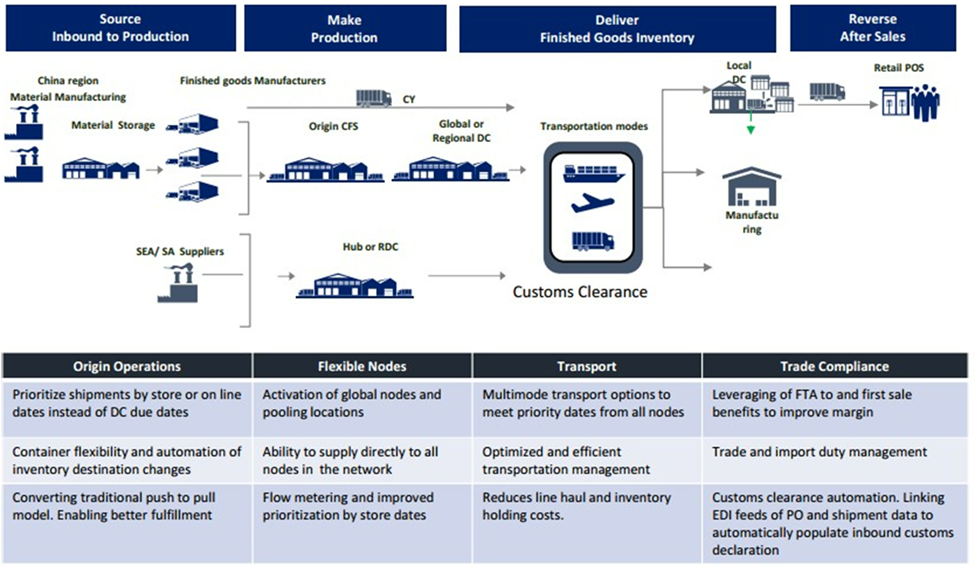
To enhance the efficiency of service process management, the Company has continuously developed and implemented information technology systems to support its operations. The focus is on improving service capabilities, reducing process redundancies, and increasing operational speed.
In addition, the Company has developed a Performance Monitoring System to track and evaluate operational performance. This system is used to monitor timelines and efficiency at each stage of the service process, ensuring compliance with established targets and quality standards. It enables effective service quality control and supports continuous process improvement.
Summary of Participation in Conferences (Domestic and International)
Name of the Association | Logo | Member Companies | Date of Membership | End Date of Membership |
Domestic Association | ||||
Thai International Freight Forwarders Association: TIFFA |
| WICE | February 6, 2002 | No set date |
The Customs Broker and Transportation Association of Thailand: CTAT |
| WICE | February 12, 2014 | April 18, 2027 |
The Thai Chamber of Commerce Member ship |
| WICE | August 17, 2010 | No set date |
International Association | ||||
Leading the World in Logistics Partnering |
| WICE | October 26, 2005 | October 26, 2026 |



Note: Membership participation is subject to an annual membership fee.
Membership Benefits:
Members are listed in a directory, making it easier to search for and select partners
Financial Protection Plan: provides coverage for unpaid receivables from debtor members to creditor members
Annual network conferences where member countries meet and conduct business discussions in workshop formats, fostering relationships and collaboration; members can schedule meetings during the event, reducing travel costs for individual country visits
Assistance in handling and resolving disputes among members
Environmental Impact
The Company has no environmental disputes and has not been in violation of any environmental laws or regulations enforced by government authorities. However, its truck transportation services may have environmental impacts, particularly air pollution resulting from vehicle exhaust emissions.
The Company and its subsidiaries recognize such potential impacts and place importance on environmental management. Measures have been implemented to provide employees with knowledge and awareness regarding proper vehicle maintenance and regular inspections, ensuring compliance with relevant regulatory requirements and minimizing environmental impact.
Investment Promotion Privileges from the Board of Investment (BOI)
-None-
Production Policy (Overall)
-
Production Capacity (Overall)
| Item | Unit | Unit (if Other) | Used | Capacity |
|---|---|---|---|---|
| N/A | Others | N/A | 0 | 0 |
Domestic/Overseas Purchase Proportion (Overall)
| Raw Material | Source Country | Value |
|---|---|---|
| N/A | Other | 0 |
Nature of Business — Overview
Introduction
WICE Logistics Public Company Limited ("the Company") and its subsidiaries (collectively referred to as "the Group") operate an integrated international logistics and supply chain solutions business, with a scope of services covering international freight forwarding, cross-border transportation, warehouse management, and value-added services in
various forms of logistics.
The Group operates as an End-to-End Logistics Service Provider, managing and coordinating transportation processes throughout the supply chain, from origin to destination. This is achieved through the Group's network of companies and business partners, both domestically and internationally, to offer flexible, efficient, timely, and cost-competitive services.
The Group provides services to customers across various industries, such as automotive and parts, electronics and electrical appliances, industrial goods, and consumer products. The focus is on developing logistics solutions that meet the specific needs of each customer group (Customized Solutions) to enhance the efficiency of supply chain management.
The Group's main business structure can be categorized by service type, which aligns with the Group's revenue structure, as follows:
Sea Freight
Air Freight
Supply Chain Solution
Cross Border Service
Projects Under Construction
Has Projects Under Construction (Y/N)
No
Debentures & Bills of Exchange
Has Debentures (Y/N)
No
Convertible Securities
Has Convertible Securities (Y/N)
No